Allan Steigleman, University of Florida and Elizabeth M. Hofmeister, Uniformed Services University of the Health Sciences
Cataract surgery is one of the most popular and...
Berlin (ots) - A recent study by Wageningen University & Research, Netherlands, analysed the fate of compostable packaging in an industrial composting plant. The results show that the tested EN13432 certified products break down within a...
Skills grow when you practice deliberately in the kitchen, and you can develop a reliable foundation by approaching learning as a series of small, repeatable habits. Start with safety and cleanliness: wash hands,...
Allan Steigleman, University of Florida and Elizabeth M. Hofmeister, Uniformed Services University of the Health Sciences
Cataract surgery is one of the most popular and commonly performed procedures in the world. The vast majority...
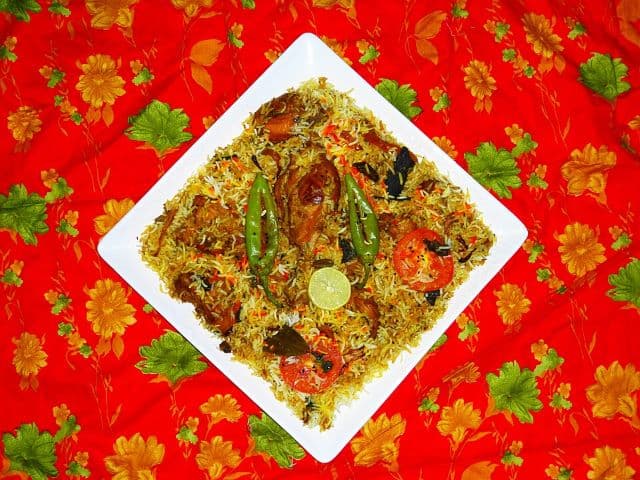
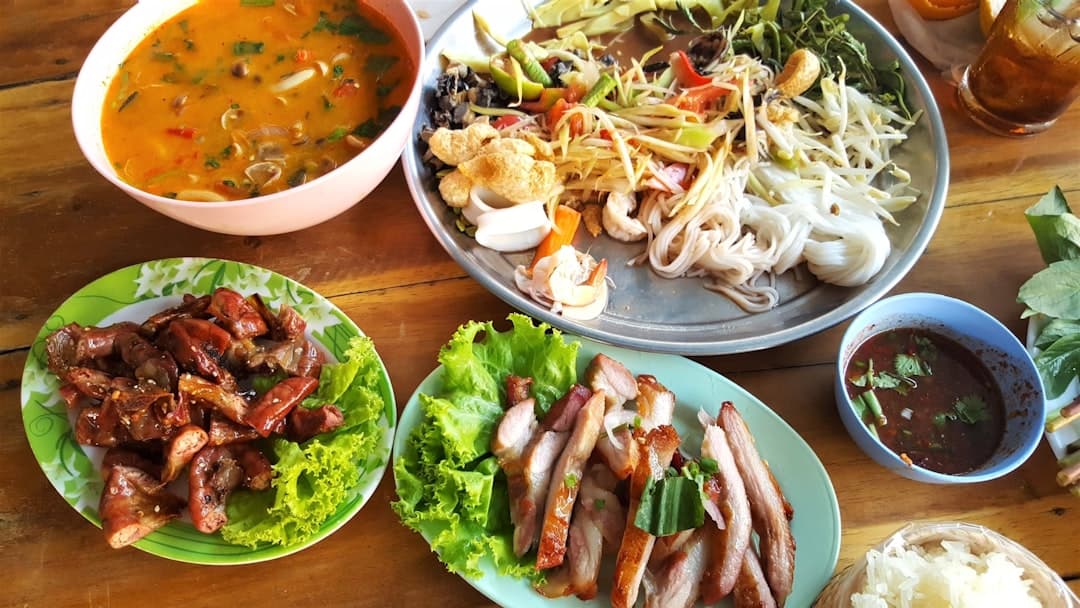
With each bite you take in a new place, you enter a story shaped by climate, migration and local resources that define regional cooking. You will notice how staple ingredients-rice in Asia, maize in the Americas, wheat in the Mediterranean-anchor daily meals and how preservation methods like drying, fermenting...
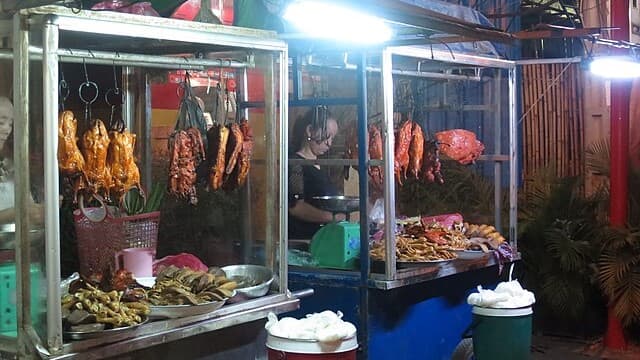
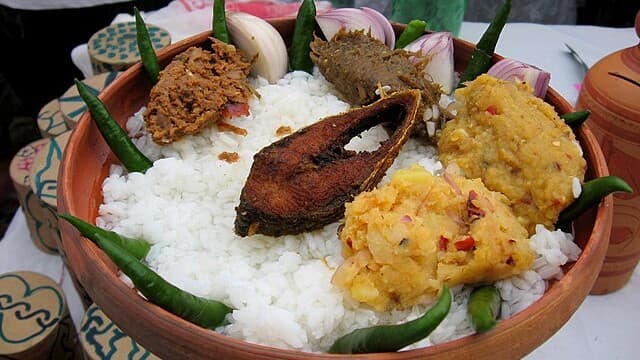
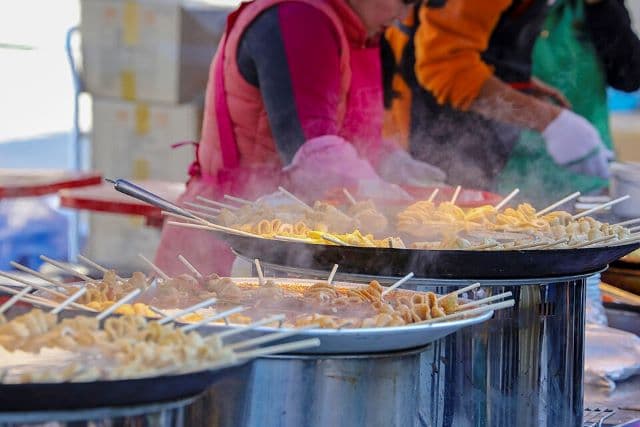
With each bite you take in a new place, you enter a story shaped by climate, migration and local resources that define regional cooking. You will notice how staple ingredients-rice in Asia, maize in the Americas, wheat in the Mediterranean-anchor daily meals and how preservation methods like drying, fermenting and smoking reflect both necessity and creativity.
You should explore how technique matters: the precision of Japanese knife work, the slow braises of French cuisine, the high-heat wok tossing of Chinese stir-fries and the open-fire roasting common across African and South American kitchens. Technique transmits values about time, community and the relationship between cook and ingredients.
Your palate will be guided by...
Yvonne Prince, Cape Peninsula University of Technology; Glenda Mary Davison, Cape Peninsula University of Technology, and Tandi Matsha-Erasmus, Sefako Makgatho Health Sciences University
A recent report by the World Health Organization (WHO) estimated that 8 million people die annually from smoking related complications. Despite efforts by governments and various organisations...
Christopher Damman, University of Washington - People have been using salt since the dawn of civilization to process, preserve and enhance foods. In ancient Rome, salt was so central to commerce that soldiers were paid their “salarium,” or salaries, in salt, for instance.
Salt’s value was in part as a food preservative, keeping unwanted microbes at bay while allowing desired ones to grow. It was this remarkable ability to regulate bacterial growth that likely helped spark the development of fermented foods ranging from sauerkraut to salami, olives to bread, cheese to kimchi.
Today, salt has become ubiquitous and highly concentrated in increasingly processed diets. The evidence has mounted that too much...
Just by choosing where your food comes from, you shape the environmental and social footprint of every meal you eat or serve.
You start with understanding that "farm to table" means more than proximity: it means sourcing with attention to seasonality, soil health, animal welfare, and fair pay for producers....
Nora McDonald, George Mason University - Social media apps regularly present teens with algorithmically selected content often described as “for you,” suggesting, by implication, that the curated content is not just “for you” but also “about you” – a mirror reflecting important signals about the person you are.
All users...
Most cooks underestimate how a pinch can elevate a meal, and you can learn to use herbs and spices to turn ordinary dishes into memorable ones by mastering a few simple principles.
Understand the difference: herbs are leafy parts of plants (basil, parsley, cilantro) and spices are seeds, bark, roots, or pods (cumin, cinnamon, turmeric). You should store dried spices in a cool, dark place in airtight containers and keep fresh herbs refrigerated or wrapped in a damp paper towel. Label jars with purchase dates so you use older spices first; whole spices last longer than ground ones.
Use fresh versus...
Culinary foundations give you the language and confidence to follow recipes, improvise, and master techniques in your own kitchen. By learning common terms and hands-on methods, you can decode instructions like mise en place, al dente or fold so you know exactly what action to take and when to...
Just by choosing where your food comes from, you shape the environmental and social footprint of every meal you eat or serve.
You start with understanding that "farm to table" means more than proximity: it means sourcing with attention to seasonality, soil health, animal welfare, and fair pay for producers....
Christopher Damman, University of Washington - People have been using salt since the dawn of civilization to process, preserve and enhance foods. In ancient Rome, salt was so central to commerce that soldiers...
EU researchers are coming up with advanced technologies to spot early signs of fatigue and erratic behaviour in people behind the wheel.
By Tom Cassauwers - When Carlo Polidori is driving and starts rubbing...
Just by choosing where your food comes from, you shape the environmental and social footprint of every meal you eat or serve.
You start with understanding that "farm to table" means more than proximity:...
Culinary foundations give you the language and confidence to follow recipes, improvise, and master techniques in your own kitchen. By learning common terms and hands-on methods, you can decode instructions like mise en...
With each bite you take in a new place, you enter a story shaped by climate, migration and local resources that define regional cooking. You will notice how staple ingredients-rice in Asia, maize...
Allan Steigleman, University of Florida and Elizabeth M. Hofmeister, Uniformed Services University of the Health Sciences
Cataract surgery is one of the most popular and...
Yvonne Prince, Cape Peninsula University of Technology; Glenda Mary Davison, Cape Peninsula University of Technology, and Tandi Matsha-Erasmus, Sefako Makgatho Health Sciences University
A recent...
Christopher Damman, University of Washington - People have been using salt since the dawn of civilization to process, preserve and enhance foods. In ancient...
Allan Steigleman, University of Florida and Elizabeth M. Hofmeister, Uniformed Services University of the Health Sciences
Cataract surgery is one of the most popular and...
Manage Cookie Consent
To provide the best experiences, we use technologies like cookies to store and/or access device information. Consenting to these technologies will allow us to process data such as browsing behavior or unique IDs on this site. Not consenting or withdrawing consent, may adversely affect certain features and functions.
Functional
Always active
The technical storage or access is strictly necessary for the legitimate purpose of enabling the use of a specific service explicitly requested by the subscriber or user, or for the sole purpose of carrying out the transmission of a communication over an electronic communications network.
Preferences
The technical storage or access is necessary for the legitimate purpose of storing preferences that are not requested by the subscriber or user.
Statistics
The technical storage or access that is used exclusively for statistical purposes.The technical storage or access that is used exclusively for anonymous statistical purposes. Without a subpoena, voluntary compliance on the part of your Internet Service Provider, or additional records from a third party, information stored or retrieved for this purpose alone cannot usually be used to identify you.
Marketing
The technical storage or access is required to create user profiles to send advertising, or to track the user on a website or across several websites for similar marketing purposes.