
With each bite you take in a new place, you enter a story shaped by climate, migration and local resources that define regional cooking. You will notice how staple ingredients-rice in Asia, maize in the Americas, wheat in the Mediterranean-anchor daily meals and how preservation methods like drying, fermenting and smoking reflect both necessity and creativity.
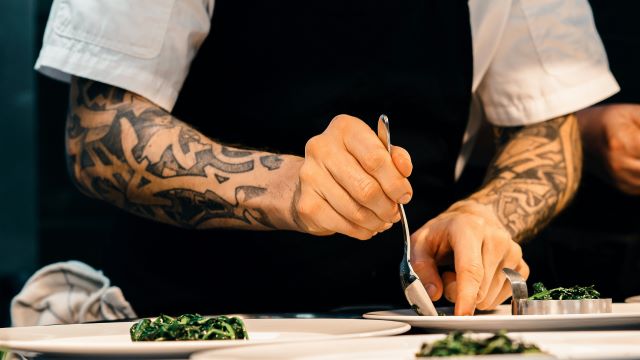
You should explore how technique matters: the precision of Japanese knife work, the slow braises of French cuisine, the high-heat wok tossing of Chinese stir-fries and the open-fire roasting common across African and South American kitchens. Technique transmits values about time, community and the relationship between cook and ingredients.
Your palate will be guided by spice traditions that vary from subtle to bold. Indian masalas layer aroma and heat; Mexican chiles balance smoke, fruitiness and heat; Middle Eastern blends highlight aromatic seeds and herbs. Learning how spices are toasted, ground and combined will change how you approach seasoning at home.
You will encounter food rituals that extend beyond taste: communal plates in the Middle East and parts of Africa, tea ceremonies in East Asia, and festive dishes tied to religious calendars across the world. Observing these rituals will teach you about hospitality norms, portioning, and the social role of food in strengthening ties.
Your best experiences will come from markets, street stalls and family-run eateries where you can speak with vendors, watch preparation and sample regional specialties. Street food often showcases centuries-old recipes adapted for modern life, and market shopping teaches you to choose produce by touch, smell and seasonality.
You can deepen your understanding through hands-on activities: take a cooking class, join a foraging walk, or volunteer at a local food festival. These experiences teach technique, ingredient provenance and local terminology that enrich both travel and home cooking.
Your awareness of sustainability and ethical sourcing will shape how you enjoy global cuisines. Prioritize vendors and restaurants that respect local ecosystems, support small farmers and reduce waste. Embracing seasonal eating and traditional preservation methods connects you to ingredients at their peak and honors long-standing culinary knowledge.
By approaching world cuisines with curiosity, respect and a willingness to try unfamiliar flavors, you will expand your cooking repertoire and cultural empathy. Every dish you taste becomes a lesson in geography, history and human connection that you can bring back to your own table.