Christopher Damman, University of Washington - People have been using salt since the dawn of civilization to process, preserve and enhance foods. In ancient Rome, salt was so central to commerce that soldiers were paid their “salarium,” or salaries, in salt, for instance.
Salt’s value was in part as a food preservative, keeping unwanted microbes at bay while allowing desired ones to grow. It was this remarkable ability to regulate bacterial growth that likely helped spark the development of fermented foods ranging from sauerkraut to salami, olives to bread, cheese to kimchi.
Today, salt has become ubiquitous and highly concentrated in increasingly processed diets. The evidence has mounted that too much salt – specifically the sodium chloride added to preserve and...
Allan Steigleman, University of Florida and Elizabeth M. Hofmeister, Uniformed Services University of the Health Sciences
Cataract surgery is one of the most popular and commonly performed procedures in the world. The vast majority...
Berlin (ots) - A recent study by Wageningen University & Research, Netherlands, analysed the fate of compostable packaging in an industrial composting plant. The results show that the tested EN13432 certified products break down...
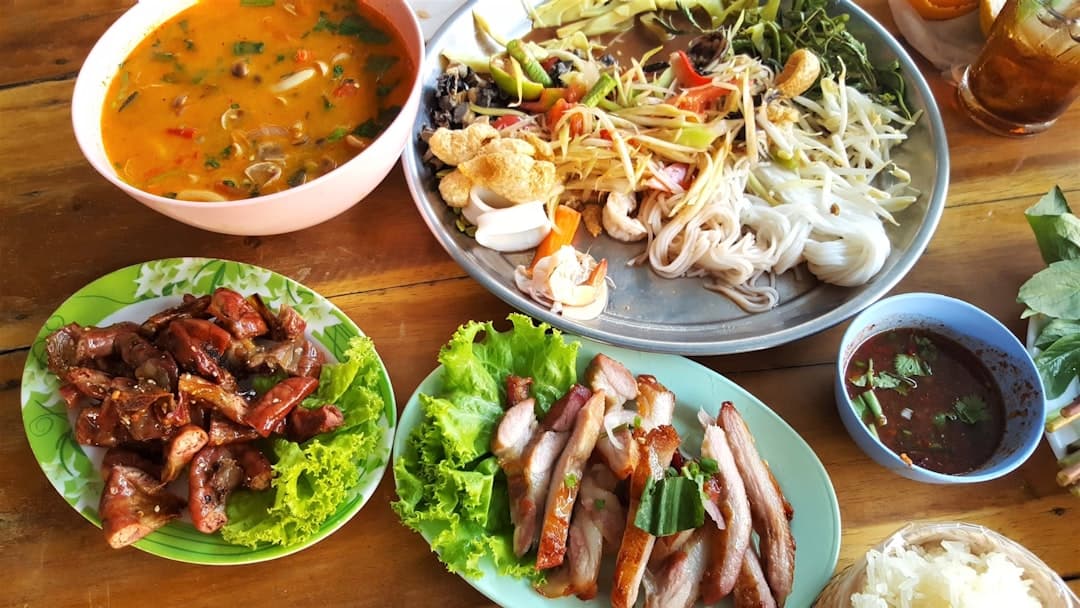
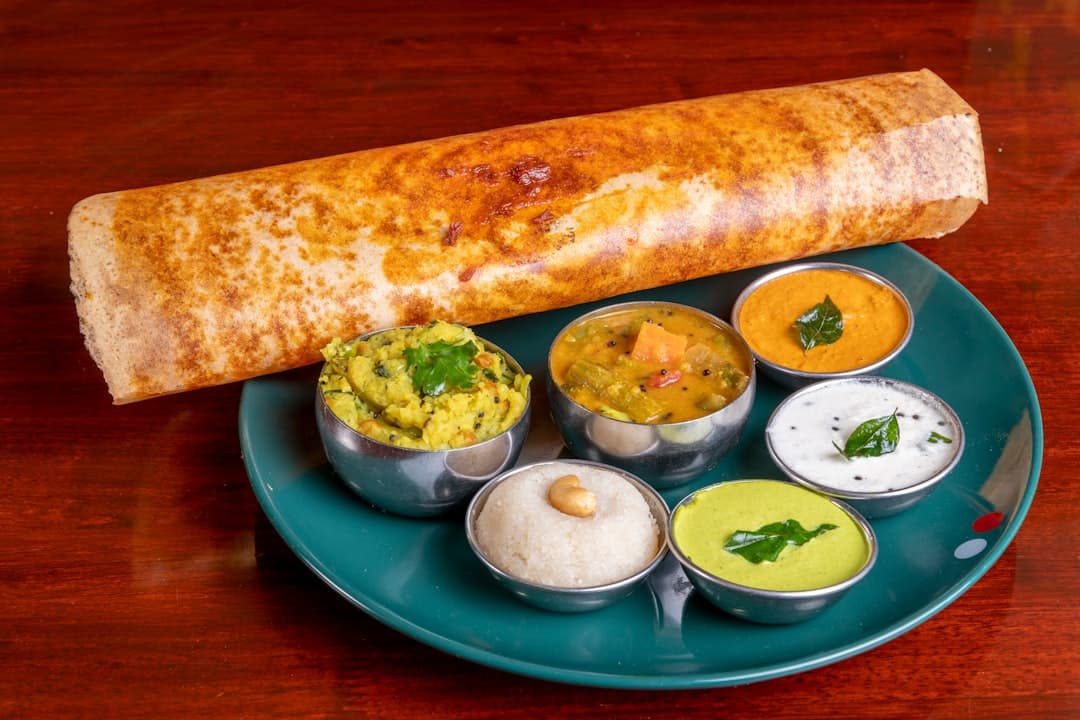
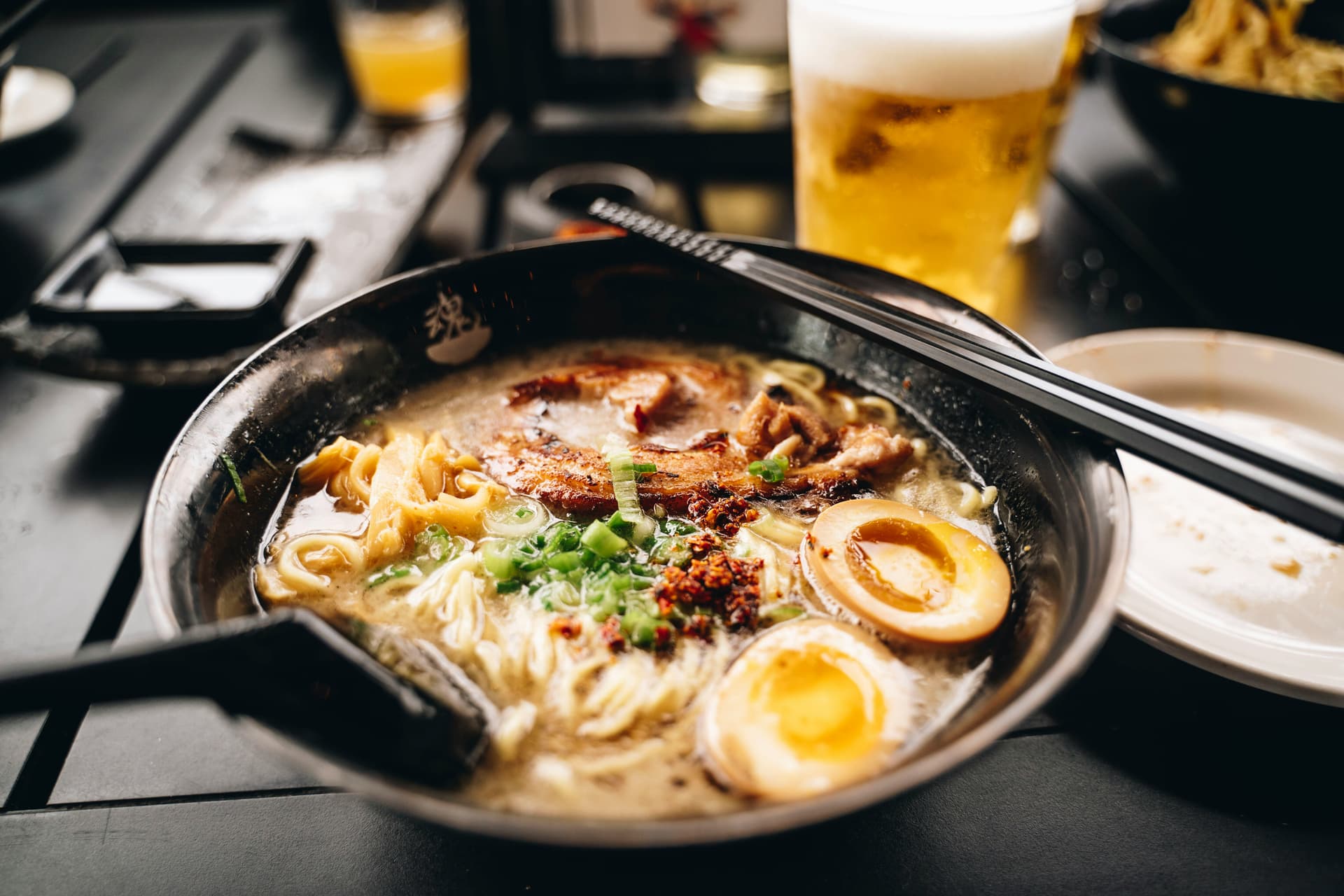
With each bite you take in a new place, you enter a story shaped by climate, migration and local resources that define regional cooking. You will notice how staple ingredients-rice in Asia, maize in the Americas, wheat in the Mediterranean-anchor daily meals and how preservation methods like drying, fermenting and smoking reflect both necessity...
Skills grow when you practice deliberately in the kitchen, and you can develop a reliable foundation by approaching learning as a series of small, repeatable habits. Start with safety and cleanliness: wash hands,...
Your cooking improves fastest when you build a reliable foundation of technique rather than relying on recipes alone; these ten skills will make meals faster, tastier, and more confident.
Knife skills: Practice holding the...
Equipment defines how efficiently you cook and how much you enjoy time in the kitchen. Whether you are just starting or refining your technique, a smart selection of tools helps you master fundamentals, expand recipes, and speed up prep without cluttering your counters.
You should start with knives and boards. A good chef's knife and a paring knife cover most cutting tasks; a serrated knife helps with bread and tomatoes. Pair them with a sturdy cutting board-wood for gentler knife edges, plastic for easy sanitizing-and a honing steel to keep edges aligned between sharpenings.
Cookware and bakeware form the backbone of meals. A heavy-bottomed skillet (10-12 inch), a medium saucepan, and a large pot let you pan-sear, simmer, and boil with confidence. Add a rimmed baking sheet and a 9x13-inch baking...
Yvonne Prince, Cape Peninsula University of Technology; Glenda Mary Davison, Cape Peninsula University of Technology, and Tandi Matsha-Erasmus, Sefako Makgatho Health Sciences University
A recent...
Jacobo García Queiruga, Universidade de Santiago de Compostela and Verónica Noya Padín, Universidade de Santiago de Compostela
Nowadays you can buy a cheap pair of sunglasses just about anywhere – from supermarkets and petrol stations to corner shops and online fashion retailers, but such ubiquity may prompt doubts as to the protection they can offer. While their lenses usually meet certain minimum UV protection requirements, their quality in other respects, such as visual clarity, is dismal.
Opticians, however, are governed by national health regulations, meaning that they have to meet higher standards such as the CE and UKCA marks. Professional opticians are therefore much better equipped to help customers find sunglasses...
EU researchers are coming up with advanced technologies to spot early signs of fatigue and erratic behaviour in people behind the wheel.
By Tom Cassauwers...
Allan Steigleman, University of Florida and Elizabeth M. Hofmeister, Uniformed Services University of the Health Sciences
Cataract surgery is one of the most popular and commonly performed procedures in the world. The vast majority of patients have excellent outcomes with few complications.
Here are the numbers:
By age 80, over half of all Americans have cataracts.
Close to 4 million cataract surgeries are performed in the U.S. every year.
Over 90% of patients have 20/20 vision with glasses after surgery, although those with other eye conditions may not do as well, including those with glaucoma, a progressive disease typically associated with elevated pressure within the eye; diabetic retinopathy, which ultimately can cause leakage in the retinal tissues; and macular degeneration, a disease that is typically related to age.
The rate of post-surgery infection from endophthalmitis...
Allan Steigleman, University of Florida and Elizabeth M. Hofmeister, Uniformed Services University of the Health Sciences
Cataract surgery is one of the most popular and...
Jacobo García Queiruga, Universidade de Santiago de Compostela and Verónica Noya Padín, Universidade de Santiago de Compostela
Nowadays you can buy a cheap pair of sunglasses just about anywhere – from supermarkets and petrol stations to corner shops and online fashion retailers, but such ubiquity may prompt doubts as to the protection they can offer. While their lenses usually meet certain minimum UV protection requirements, their quality in other respects, such as visual clarity, is dismal.
Opticians, however, are governed by national health regulations, meaning that they have to meet higher standards such as the CE and UKCA marks. Professional opticians are therefore much better equipped to help customers find sunglasses...
Christopher Damman, University of Washington - People have been using salt since the dawn of civilization to process, preserve and enhance foods. In ancient Rome, salt was so central to commerce that soldiers...
It's the foundation of every great dish: when you control the blade, you control texture, speed, and presentation. You gain consistency and confidence by learning a few dependable techniques, and your time in...
Derek Mitchell, University of Leeds - When people think of honey bees, they often think of classic wooden hives, in which beekeepers are having to breed more and more bees just to keep...
Christopher Damman, University of Washington - People have been using salt since the dawn of civilization to process, preserve and enhance foods. In ancient Rome, salt was so central to commerce that soldiers...
Christopher Damman, University of Washington - People have been using salt since the dawn of civilization to process, preserve and enhance foods. In ancient...
EU researchers are coming up with advanced technologies to spot early signs of fatigue and erratic behaviour in people behind the wheel.
By Tom Cassauwers...
Berlin (ots) - A recent study by Wageningen University & Research, Netherlands, analysed the fate of compostable packaging in an industrial composting plant. The results...
Allan Steigleman, University of Florida and Elizabeth M. Hofmeister, Uniformed Services University of the Health Sciences
Cataract surgery is one of the most popular and...
Manage Cookie Consent
To provide the best experiences, we use technologies like cookies to store and/or access device information. Consenting to these technologies will allow us to process data such as browsing behavior or unique IDs on this site. Not consenting or withdrawing consent, may adversely affect certain features and functions.
Functional
Always active
The technical storage or access is strictly necessary for the legitimate purpose of enabling the use of a specific service explicitly requested by the subscriber or user, or for the sole purpose of carrying out the transmission of a communication over an electronic communications network.
Preferences
The technical storage or access is necessary for the legitimate purpose of storing preferences that are not requested by the subscriber or user.
Statistics
The technical storage or access that is used exclusively for statistical purposes.The technical storage or access that is used exclusively for anonymous statistical purposes. Without a subpoena, voluntary compliance on the part of your Internet Service Provider, or additional records from a third party, information stored or retrieved for this purpose alone cannot usually be used to identify you.
Marketing
The technical storage or access is required to create user profiles to send advertising, or to track the user on a website or across several websites for similar marketing purposes.