
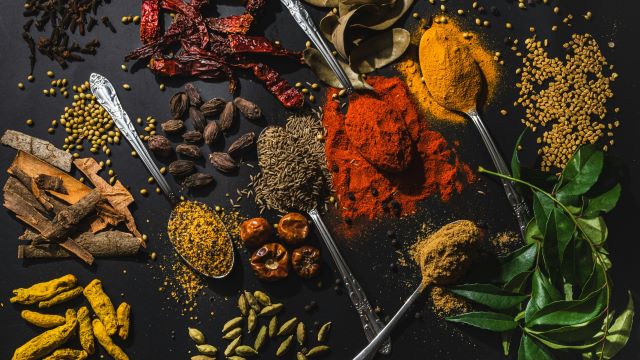
Most cooks underestimate how a pinch can elevate a meal, and you can learn to use herbs and spices to turn ordinary dishes into memorable ones by mastering a few simple principles.
Understand the difference: herbs are leafy parts of plants (basil, parsley, cilantro) and spices are seeds, bark, roots, or pods (cumin, cinnamon, turmeric). You should store dried spices in a cool, dark place in airtight containers and keep fresh herbs refrigerated or wrapped in a damp paper towel. Label jars with purchase dates so you use older spices first; whole spices last longer than ground ones.
Use fresh versus dried wisely: a common conversion is 1 tablespoon fresh = 1 teaspoon dried. Start with small amounts and increase gradually as you taste; spices intensify with cooking, while many fresh herbs lose brightness if cooked too long. Add hearty herbs (rosemary, thyme) early for deep flavor and delicate ones (basil, cilantro, parsley) at the end to preserve aroma.
Apply simple techniques: toast whole spices in a dry pan for 30-60 seconds until aromatic to release oils, then grind them for maximum flavor. Bloom ground spices in oil at low to medium heat for 30-60 seconds before adding other ingredients to enhance depth. Make herb-infused oils or compound butters to distribute flavor evenly and finish dishes with a drizzle or dollop.
Build balanced profiles by combining categories: bright herbs (mint, cilantro) with citrus for freshness; warm spices (cinnamon, allspice) with sweet or roasted items; earthy spices (cumin, coriander) with legumes and grains; floral or bitter herbs (tarragon, oregano) with rich proteins. Use salt and acid as amplifiers-acid (vinegar, citrus) wakes up flavors and salt opens spice notes-so adjust seasoning in small increments.
Troubleshoot common issues: if a dish tastes flat, add acid or fresh herbs; if it’s too bitter from over-toasting, balance with a little sweetness or fat. Replace old spices every 6-12 months for ground and every 2-4 years for whole seeds. Keep a small spice kit for staples-salt, black pepper, cumin, paprika, thyme, oregano, chili flakes-and expand based on the cuisines you cook most.
Practice by making simple tests: season roasted vegetables with one herb and one spice to learn their interaction, or make two batches of a sauce-one with fresh herbs added at the end and one with dried added early-to experience timing differences. With these techniques, you will transform your dishes consistently and confidently.