
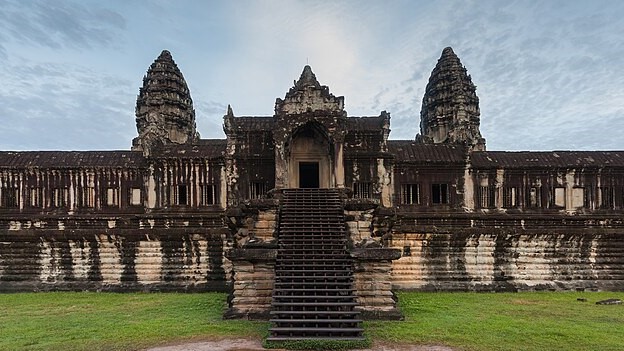
Tours of Angkor Wat reveal iconic temples, sunrise vistas, guided-route options, ticketing details, and courteous etiquette to maximize your visit in Cambodia.
Iconic Temples and Architectural Highlights
The Grandeur of Angkor Wat at Sunrise
Dawn at Angkor Wat reveals the temple’s reflecting pools and soaring towers in golden light, offering a powerful mix of architectural scale and serene perspective for early visitors and photographers.
Bayon Temple and the Smiling Stone Faces
Ancient Bayon features dozens of massive stone faces and layered galleries whose bas-reliefs chronicle Khmer history and everyday scenes with dense, immersive detail.
Faces of Avalokiteshvara-like figures crown Bayon’s towers, producing a contemplative, omnipresent effect; the central terraces and extensive bas-reliefs reward slow exploration and knowledgeable interpretation to decode historical narratives and symbolism.
Ta Prohm: The Jungle Temple of Tomb Raider Fame
Roots at Ta Prohm fuse trees and masonry into dramatic, photogenic ruins that inspired Tomb Raider’s cinematic imagery and remain deliberately conserved in a partly wild state.
Trees at Ta Prohm have both protected and destabilized the ruins, creating toppled galleries and root-wrapped corridors; conservation balances structural stabilization with preserving the evocative, overgrown character that defines the visitor experience.
Banteay Srei’s Intricate Pink Sandstone Carvings
Carved from pink sandstone, Banteay Srei displays exceptionally fine reliefs of mythological scenes and floral motifs, prized for their miniature precision and delicate style.
Intricate panels at Banteay Srei depict Shiva, Vishnu, and legendary episodes rendered in high relief; close-up viewing and an informed guide unlock iconographic details and the temple’s unique artistic vocabulary.
Essential Logistics for a Smooth Visit
Angkor Pass Tiers and Entry Requirements
Angkor Park offers one-day, three-day, and seven-day passes; bring a passport photo and the original passport for purchase at the ticket center, and keep the pass visible during visits to avoid delays at checkpoints.
Transportation Options: Remork, Private Car, or Bicycle
Remorks provide short rides and bargaining is standard, private cars with drivers deliver comfort and early starts, while bicycles let you explore quiet temple backstreets; choose based on distance, heat tolerance, and budget for the day.
Private cars typically cost $40-$70 per day including driver and fuel, ideal for families or multi-temple days and allowing sunrise runs; remorks usually charge $5-$15 per short trip with fixed rates, best for downtown transfers; bicycles rent for $1-$6 daily and suit fit cyclists-expect dusty roads, strong sun, and occasional steep steps at certain temple entries.
Seasonal Timing and Strategies to Avoid Peak Crowds
Dry season (November-April) offers predictable weather but larger crowds; visit early morning or late afternoon during shoulder months, and prioritize sunrise at Angkor Wat while scheduling quieter temples mid‑day to reduce crowd exposure.
Shoulder months of October and May balance fewer visitors with fair weather; rainy season (May-October) brings afternoon downpours and verdant scenery, reducing dust and offering dramatic skies but limited sunrise visibility-pack quick‑dry clothing, a light rain jacket, and allow extra travel time for muddy tracks and slower transfers between temples.
Cultural Etiquette and On-Site Preparation
Respect local customs by dressing modestly, covering shoulders and knees when entering temple precincts, speaking softly, and avoiding commercial photography of worshippers; follow staff directions and barrier signs to protect fragile carvings.
Adhering to the Official Visitor Code of Conduct
Observe the official Visitor Code of Conduct: dress modestly, keep voices low, follow barrier signs, avoid touching carvings, and schedule visits outside crowded times; local staff enforce rules and fines may apply.
The Benefits of Engaging Certified Professional Guides
Hiring a certified guide offers historical context, authoritative explanations, priority access at busy sites, and helps ensure respectful interaction with caretakers and communities.
Guides trained and certified by APSARA or licensed agencies provide detailed explanations of iconography, proper temple etiquette, and on-the-spot guidance to avoid restricted areas; they also handle permits, arrange timing for softer light, and liaise with local caretakers to minimize disruption.
Health and Safety: Hydration, Sun Protection, and Footwear
Pack water, broad-spectrum sunscreen, a wide-brim hat, and sturdy closed shoes; plan early-morning or late-afternoon visits to avoid peak heat and watch for uneven steps and loose stones.
Hydration should be frequent-sip small amounts often rather than gulping; electrolyte tablets or oral rehydration sachets help during long walks. Sturdy shoes with good grip reduce ankle injuries, and regular shade breaks combined with breathable clothing limit heat stress.
Summing up
Conclusively Angkor Wat tours in Cambodia combine sunrise vistas, intricate bas-reliefs, and knowledgeable guides; plan early starts, buy a multi-day pass for Bayon and Ta Prohm, respect dress codes, and hire a licensed driver for safe transfers to maximize experience.