
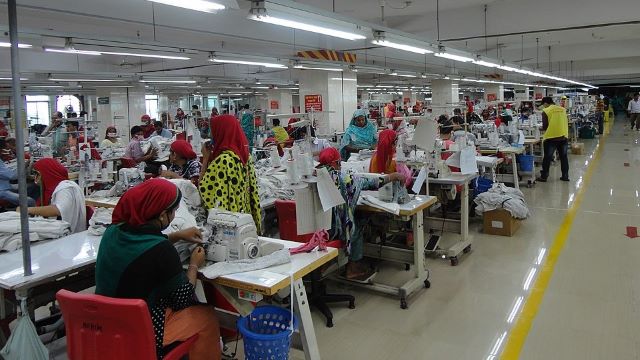
Bangladesh’s garment industry stands at a critical inflection point as regional trade patterns evolve and supply chain strategies shift across Asia. The sector, which employs millions and anchors the nation’s export economy, faces both structural pressures and emerging opportunities that are reshaping how manufacturers compete and collaborate within an increasingly complex regional landscape.
The Foundation of Bangladesh’s Economic Engine
The garment and textile sector represents the backbone of Bangladesh’s manufacturing economy, accounting for a substantial share of export earnings and employment. Factories across the country produce apparel for major global brands, serving markets across North America, Europe, and Asia. This concentration has built considerable expertise in production efficiency, quality management, and supply chain coordination that positions Bangladesh as a strategic player in global fashion retail.
The sector’s development reflects decades of industrial investment, skills development, and infrastructure building. Worker training programmes, port modernisation, and logistics networks have matured to support high-volume export operations. This accumulated capability creates competitive advantages that extend beyond simple labour cost advantages, encompassing operational reliability and technical proficiency that international buyers value.
Regional Competition and Trade Integration Pressures
Bangladesh operates within a region where multiple nations compete for similar market share in apparel manufacturing. Vietnam, Cambodia, India, and Indonesia all maintain significant garment industries, each with distinct cost structures, trade advantages, and supply chain characteristics. The competitive environment intensifies as regional trade agreements reshape tariff structures and preferential access to major markets, particularly within the context of evolving arrangements between ASEAN nations, India, and other regional partners.
Trade dynamics increasingly reflect broader geopolitical and economic realignment. As supply chains become more regionally organised and less purely global, Bangladesh’s position depends on maintaining cost competitiveness while adding value through faster turnaround times, design capabilities, and sustainable production practices. The sector adapts by investing in automation, digital integration, and quality enhancement to differentiate itself beyond baseline manufacturing cost.
Modernisation and Sustainability as Competitive Tools
Manufacturers across Bangladesh’s garment sector are implementing technological upgrades and sustainability standards to strengthen their market position. Investment in energy-efficient machinery, water treatment systems, and waste management reflects both regulatory requirements and market demands from international buyers increasingly concerned with environmental and social responsibility. These improvements raise production costs but enhance competitiveness in premium and ethical-sourcing segments of the global market.
Digital transformation initiatives enable factories to optimise production scheduling, improve quality control, and provide greater transparency to international customers. Supply chain digitisation, including blockchain applications for product traceability, creates new value propositions that can command price premiums. Worker welfare improvements and skills development programmes strengthen the sector’s social licence to operate and align with evolving corporate responsibility expectations among major retailers.
Regional Supply Chain Reorganisation Opportunities
Ongoing shifts in how multinational companies organise their Asia-Pacific supply chains create both challenges and opportunities for Bangladesh. Some companies diversify sourcing away from single countries to manage geopolitical risk, potentially benefiting Bangladesh as an alternative or complementary production location. Others consolidate operations to reduce complexity, which can disadvantage smaller suppliers but creates openings for larger, more sophisticated manufacturers capable of handling multi-country orders.
Bangladesh’s geographic position, port infrastructure, and established industrial clusters position the country to capture opportunities from companies seeking to build resilience into their supply networks. Regional trade agreements and preferential tariff arrangements affect where companies choose to site production and sourcing. The sector’s ability to serve as a reliable, quality-capable production location makes it an attractive option as multinational companies evaluate their long-term manufacturing footprint across Asia.
Labour Standards and Social Responsibility as Market Differentiators
Bangladesh’s garment industry operates within a context of heightened global scrutiny regarding labour conditions, wage levels, and worker rights. The sector has undertaken substantial efforts to improve workplace safety, enforce labour standards, and engage workers in decision-making. These improvements, supported by government regulation, buyer auditing, and industry bodies, strengthen Bangladesh’s credibility as a responsible production location.
International buyers increasingly factor labour and environmental standards into sourcing decisions, creating market rewards for factories that demonstrate genuine commitment to worker welfare and sustainable practices. Bangladesh’s comparative advantage now incorporates social responsibility alongside production capability. Companies investing in worker development, occupational health, and wage improvement gain access to premium market segments and build longer-term buyer relationships grounded in trust and shared values.
Outstanding questions
How will evolving regional trade agreements and tariff structures reshape competitive advantages between garment-producing nations in Asia, and what strategic investments might Bangladesh prioritise to maintain market share?
What role will automation and Industry 4.0 technologies play in Bangladesh’s garment sector, and how might technological adoption affect employment levels and required workforce skills across the industry?
Which emerging market segments—such as sustainable fashion, circular economy initiatives, or high-speed fashion responsiveness—present the greatest growth opportunities for Bangladesh manufacturers to differentiate from regional competitors?
Sources