
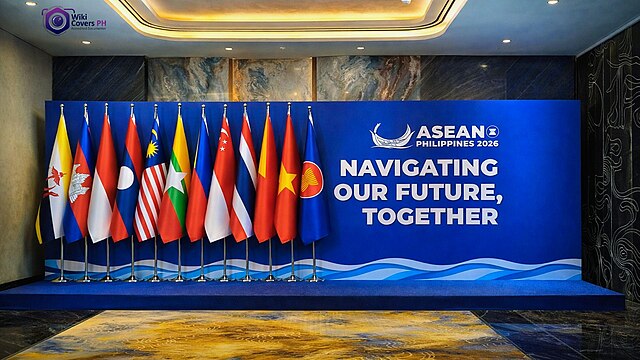
Leaders from the ten-member Association of Southeast Asian Nations concluded a three-day summit in Kuala Lumpur on Friday, endorsing a new digital trade framework aimed at reducing cross-border tariffs on technology goods by up to 18 percent over the next five years.
The agreement covers e-commerce, fintech services, and semiconductor supply chains, representing the most significant multilateral trade move in the region since the RCEP came into force in 2022.
Key provisions
Member states agreed to harmonise customs procedures and establish a joint arbitration mechanism to resolve trade disputes within 90 days. The framework also includes provisions for data localisation standards and cross-border payment interoperability.
Economic context
The IMF welcomed the deal, noting it could add 0.4 percentage points to regional GDP growth by 2028. Malaysian Prime Minister Anwar Ibrahim described the outcome as a milestone for regional integration.
Outstanding questions
It remains unclear whether all delegations were fully aligned on the binding nature of the dispute resolution clauses — a question that may be revisited during the next ministerial review scheduled for late 2026.
Sources
This article was compiled with the support of advanced research technology, based on multiple verified sources, and reviewed by our editorial team.