
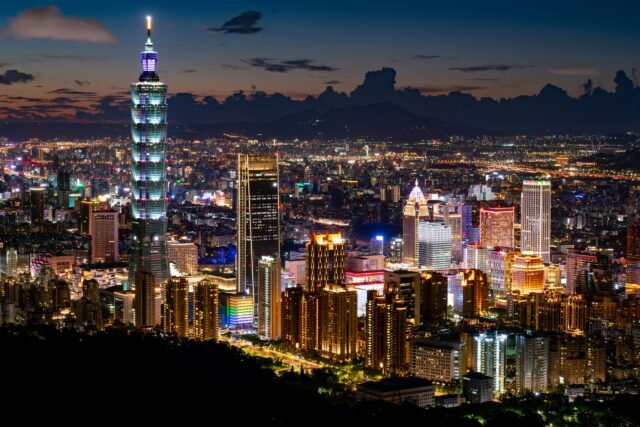
Taiwan occupies one of the most strategically significant positions in contemporary Asian geopolitics, serving as a critical focal point for regional power dynamics and economic integration. The island’s location in key shipping lanes, combined with its advanced technological capabilities and democratic governance, makes it a pivotal player in shaping the future balance of power across the Asia-Pacific region.
Geographic and Economic Significance
Taiwan’s position along the first island chain stretches from Japan through the Philippines, controlling vital sea lanes through which a substantial portion of global maritime trade passes. The Taiwan Strait represents one of the world’s busiest shipping corridors, with cargo vessels carrying everything from energy supplies to manufactured goods traversing these waters daily. This geographic advantage has historically provided Taiwan with significant leverage in regional trade relationships.
The island’s economy has evolved from manufacturing-focused growth to become a global leader in semiconductor production and high-technology industries. Taiwan’s semiconductor sector produces a majority of the world’s advanced microchips, making it an indispensable link in global supply chains. This technological dominance extends beyond manufacturing to include research and development capabilities that support innovation across multiple industries.
Democratic Governance Model
Taiwan’s transition to democratic governance represents a unique political development within the broader Asian context. The island maintains a multi-party political system with regular elections, press freedoms, and civil liberties that distinguish it from many regional neighbors. This democratic framework has created a distinct political identity that influences Taiwan’s international relationships and domestic policy priorities.
The island’s civil society demonstrates high levels of civic engagement, with active participation in political processes and robust public discourse on policy matters. Educational institutions and media organizations operate with considerable independence, contributing to an informed citizenry that actively participates in democratic decision-making processes.
Cross-Strait Relations and Regional Implications
The relationship between Taiwan and mainland China remains one of Asia’s most complex and consequential diplomatic challenges. Both sides maintain different perspectives on sovereignty and governance, creating ongoing tensions that influence broader regional stability. These cross-strait dynamics affect not only bilateral interactions but also impact the strategic calculations of other regional powers.
Economic ties between Taiwan and mainland China have deepened over decades, with significant trade flows and investment relationships developing despite political differences. Taiwanese businesses have established extensive operations across mainland China, while mainland Chinese companies have sought partnerships with Taiwanese firms, particularly in technology sectors.
International Partnerships and Alliances
Taiwan maintains informal diplomatic relationships with numerous countries while facing constraints on formal diplomatic recognition. The island has developed strong economic and cultural ties with partners across Asia, Europe, and North America, creating networks that support trade, technological cooperation, and cultural exchange.
Security cooperation represents another dimension of Taiwan’s international relationships, with various countries providing defense equipment and maintaining military-to-military contacts. These security partnerships reflect shared interests in maintaining regional stability and protecting democratic values against authoritarian pressures.
Taiwan’s participation in international organizations occurs primarily through alternative arrangements that acknowledge its unique political status while allowing engagement on global issues. The island contributes to international health initiatives, disaster relief efforts, and technological standard-setting organizations, demonstrating its commitment to global cooperation despite diplomatic constraints.
Outstanding questions
How will Taiwan’s semiconductor dominance evolve as other countries develop competing technological capabilities and supply chain alternatives?
What role will Taiwan play in emerging regional economic partnerships and trade agreements as Asia-Pacific integration continues to develop?
How might changes in global power dynamics affect Taiwan’s ability to maintain its current political and economic model while managing cross-strait relations?
This article was compiled with the support of advanced research technology, based on multiple verified sources, and reviewed by our editorial team.
Sources