
SouthKorea travel guide for planning routes between Seoul and Busan with transit tips and sample itineraries to make the most of a short trip.
Seoul arrival options include Incheon Airport via AREX express train, airport limousine buses, and taxis. KTX connects Seoul Station and Busan Station in about 2.5 to 3 hours and offers the fastest rail link between the cities. Domestic flights between Gimpo and Gimhae take about 1 hour; factor in transfer and security time when comparing options. Express buses run frequently and take roughly 4 to 5 hours depending on traffic, offering a budget-friendly alternative with extensive schedules.
Seoul public transport relies on an extensive metro network, buses, and taxis that cover major sights such as Gyeongbokgung, Bukchon, Myeongdong, Hongdae, and Insadong. Purchase a reloadable T-money card for easy payment on subways, buses, and many taxis. Peak subway hours are typically 7:30-9:00 and 17:30-19:00 on weekdays, so plan trips outside those windows when possible. Local trains and buses operate into late evening, while some night buses provide off-hour options.
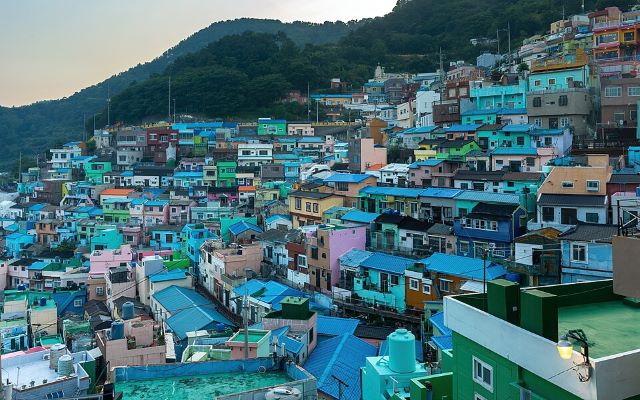
Busan highlights include Haeundae Beach, Gwangalli, Gamcheon Culture Village, Jagalchi Fish Market, Taejongdae, and Beomeosa Temple. Busan Metro lines link beaches, markets, and downtown areas efficiently, and city buses fill gaps for coastal spots. Coastal ferries and local taxis are convenient for short hops and late-night travel when metros close. Street food and seafood markets make short exploration highly rewarding.
Sample 5-day route plan: Day 1 in Seoul covers Gyeongbokgung, Bukchon, and Insadong; Day 2 explores Myeongdong, N Seoul Tower, and Hongdae; Day 3 fits a DMZ tour or museum and shopping. Day 4 travel to Busan by KTX in the morning, then afternoon at Haeundae and Gwangalli. Day 5 visits Gamcheon, Jagalchi, and Taejongdae before an evening return or onward travel. Book KTX tickets in advance for preferred times and consider early departures to maximize sightseeing.
Practical tips include carrying a charged phone with a local eSIM or portable Wi‑Fi for maps and timetables, using apps like Korail and local metro maps for schedules, and checking weather for coastal plans. Peak tourist seasons occur in spring cherry blossom and autumn foliage months, so expect higher prices and advance bookings. Luggage lockers at major stations and airport services make same-day transfers easier for short itineraries.