
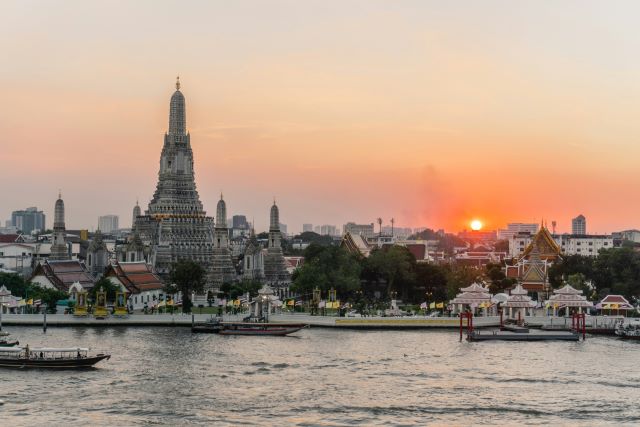
Temples in Thailand are focal points of spiritual life, featuring ornate architecture, gilded Buddha images, and communal spaces for merit-making. The most famous temples include Wat Pho, Wat Arun, and Wat Phra Kaew, each offering unique art and history that reflects local customs and royal patronage.
Monks follow a daily routine of chanting, alms rounds, study, and meditation. Ordination can be temporary or lifelong, and monks wear saffron or brown robes depending on the tradition. Women should not touch monks or hand objects directly to them, and all visitors should avoid raising their head above a monk’s level as a sign of respect.
Dress conservatively inside temple grounds: shoulders and knees should be covered, and sheer or tight clothing avoided. Remove shoes before entering ordination halls and approach shrines quietly, speaking softly and switching phones to silent. Do not point with your feet, place your feet toward images, or climb on statues for photographs.
Photographs are generally acceptable in public areas but respect signs that prohibit images, especially during rituals or in meditation halls. Offer small donations at designated boxes or to monks during alms rounds when appropriate, using both hands or palms together. When paying respect, perform a wai-palms together at chest level-and bow slightly; place palms lower than a monk’s when offering.
Children and loud behavior can disrupt temple calm, so supervise kids and keep voices low. Learn a few basic Thai phrases such as khop khun (thank you) and sawasdee (hello) to show courtesy, although actions and adherence to rules communicate respect more clearly.
Observing posted rules, following local guidance, and showing humility will make temple visits meaningful and respectful for both visitors and worshippers.