
With concise historical context and practical guidance, this guide outlines Tet rituals, Mid-Autumn customs, regional variations, and etiquette for respectful participation.
Tet Nguyen Dan: The Vietnamese Lunar New Year
Families gather to celebrate Tet Nguyen Dan, honoring ancestors, exchanging lucky red envelopes, and enjoying days of rest, renewal, and public festivities.
Ancestral Rites and Household Preparations
Homes are cleansed, ancestral altars refreshed, and offerings prepared so ancestors are welcomed into the new year with respect and prosperity.
Culinary Traditions and Symbolic Offerings
Bánh chưng, pickled vegetables, and sweet treats appear on family tables as symbolic offerings that express gratitude and hopes for abundance.
Sticky rice cakes (bánh chưng and bánh tét) anchor Tet feasts: glutinous rice, mung beans and pork wrapped in banana leaves symbolize earth and sky; pork and pickles add savory balance, while the square chung reflects northern customs and the cylindrical tét embodies southern practice. Markets brim with seasonal sweets, candied fruits, and ritual trays for altar displays.
Tet Trung Thu: The Mid-Autumn Festival
Families light lanterns and share mooncakes under a bright harvest moon, blending ancestral rites with contemporary celebrations; streets fill with colorful parades, traditional drum performances, and public festivals that emphasize communal joy and seasonal gratitude.
Children’s Folklore and Lantern Processions
Children parade with handmade lanterns shaped like stars, carp, and animals, reciting folk poems while elders guide songs and games; neighborhood nights become theatrical, spotlighting playful creativity and intergenerational storytelling.
The Social Significance of Mooncakes and Family Unity
Mooncakes symbolize reciprocity and social bonds, exchanged as formal gifts among relatives, business contacts, and community leaders to affirm respect, maintain networks, and mark the season with ritualized generosity.
Generations view mooncake gifting as a compact social contract that codifies obligations and gratitude: elaborate boxes convey status and taste, while modest offerings sustain everyday goodwill; during family reunions, shared mooncake ritual reinforces lineage narratives, mediates reconciliation, and renews reciprocal care across urban and rural households.
Perfume Pagoda Festival: A Spiritual Pilgrimage
Pilgrims travel by boat to the Perfume Pagoda, offering incense and prayers amid limestone cliffs, joining centuries-old festivals that blend devotion, tourism, and community celebration.
Buddhist Rituals and Sacred Journeys
Monks lead morning chants and pilgrims follow river routes to grottoes, participating in merit-making, blessings, and lantern-lit processions that sustain local religious life.
Cultural Heritage of the Huong Tich Cave
Huong Tich Cave preserves votive inscriptions, ancient altars, and myths linked to national history, attracting scholars and devotees alike.
Legends around Huong Tich describe emperors and sages seeking enlightenment there, while archaeological surveys reveal layers of offerings dating back centuries.
Hue Festival: Honoring the Imperial Legacy
Hue’s festival revives imperial ceremonies, adorned palaces and lanterned river processions that beckon visitors to witness Nguyen dynasty pageantry and living traditions along the Perfume River.
Royal Court Music and Historical Reenactments
Court ensembles perform Nhã nhạc-UNESCO-listed royal court music-while costumed performers reenact coronations and ritual processions within Citadel halls, preserving melodic structure and ceremonial choreography.
Modern Artistic Intersections in the Ancient Capital
Modern artists stage contemporary dance, experimental theatre and multimedia installations that reframe imperial symbols across galleries, public squares and heritage sites during festival programs.
Artists collaborate with historians and local artisans to produce site-specific projects combining lacquer, calligraphy and traditional instruments with projection mapping, electronic soundscapes and interactive workshops; these initiatives encourage public dialogue on conservation and reinterpretation while adhering to heritage protections and ceremonial protocols.
Hoi An Lantern Festival: Monthly Lunar Traditions
Each month, Hoi An’s lantern festival dims street lights and releases paper lanterns onto the Thu Bon River, blending incense rituals and classical music; locals and visitors witness a living tradition that marks lunar dates and honors ancestral ties.
Ancient Town Rituals and Symbolic Lighting
Lanterns symbolize guidance and well-wishing, with families lighting paper boats and candles as traditional music and incense shape the evening’s ritual cadence.
Heritage Preservation and Tourism Impact
Conservation programs support traditional lantern makers and regulate commercial vendors, while city policies aim to manage visitor flow to protect ritual integrity.
Local authorities partner with heritage groups to train lantern artisans, set licensing for street vendors, and schedule lantern nights to limit crowding. Workshops teach visitors proper offerings; income sustains families but rising demand risks commodification. Ongoing audits and tourist education campaigns aim to balance economic benefit with conserving ritual meaning.
Regional Variations in Festival Observance
Regional practices shift with climate, ethnicity and urbanization: northern villages favor ancestral rites and dragon dances, central provinces preserve imperial-era ceremonies, while the south blends Chinese-derived customs with tropical harvest celebrations.
Distinctive Customs of the Northern Highlands
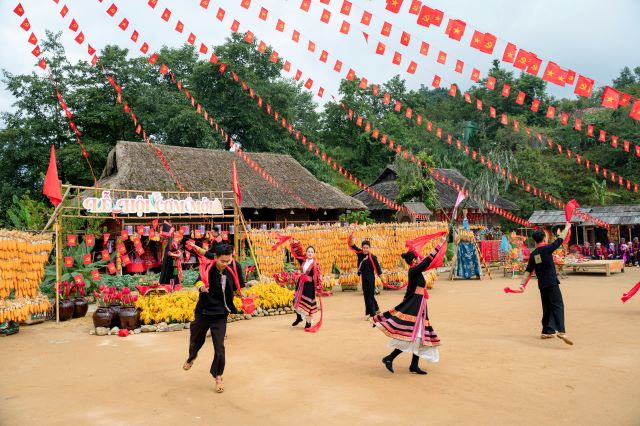
Mountainous communities emphasize shamanic blessings, buffalo sacrifices and communal dances tied to rice cycles, with colorful costumes and Hmong lanterns marking New Year rites among ethnic minorities.
Southern Vietnamese Celebrations and Adaptations
Southern cities prioritize lively street festivals, outdoor family reunions and inventive food offerings, reflecting flexible schedules and strong Chinese-Vietnamese influence on ritual forms.
Urban centers in the south adapt traditional rituals to busy lives: Tet favors banh tét over banh chưng, morning market offerings replace elaborate home altars, and open-air lion dances, parades and commercial Mid-Autumn fairs showcase hybrid, community-driven expressions of heritage.
Conclusion
As a reminder, Tet and Mid-Autumn showcase family reunions, ancestral offerings, lion dances, mooncakes and lantern processions that reflect Vietnam’s seasonal rhythms and communal values; planning travel and respecting local customs ensures meaningful, respectful participation.