
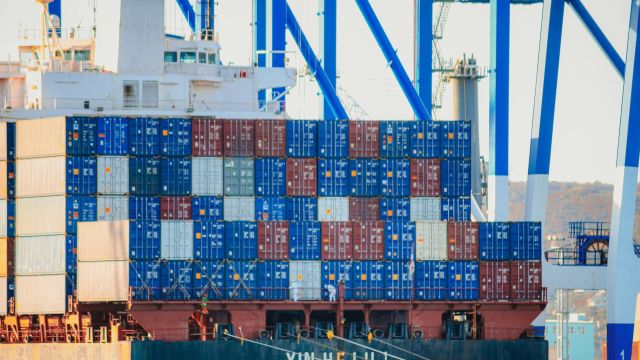
The Asia-Pacific region has solidified its position as the world’s most dynamic economic zone, accounting for more than half of global trade flows and driving unprecedented levels of cross-border commerce. This transformation reflects decades of strategic infrastructure investment, regional integration initiatives, and the emergence of sophisticated supply chain networks that span from Southeast Asia to the Pacific Rim.
Digital Commerce Reshapes Regional Markets
E-commerce platforms across Asia-Pacific continue to revolutionize traditional trading patterns, with digital marketplaces facilitating billions of dollars in cross-border transactions. Countries like Singapore, South Korea, and Australia have developed comprehensive digital trade frameworks that enable seamless online commerce while maintaining robust consumer protections and data security standards.
The proliferation of mobile payment systems and digital banking solutions has particularly benefited smaller economies in the region, allowing businesses in Vietnam, Thailand, and the Philippines to access global markets without traditional banking infrastructure barriers. This digital transformation has created new opportunities for small and medium enterprises to participate in international trade networks previously dominated by large corporations.
Manufacturing Hubs Drive Export Growth
Asia-Pacific’s manufacturing sector remains the backbone of global production, with countries specializing in different segments of the value chain. China maintains its position as the world’s largest manufacturer, while nations like Bangladesh and Vietnam have emerged as competitive alternatives for labor-intensive production processes.
Advanced manufacturing capabilities in Japan, South Korea, and Taiwan continue to supply high-tech components and precision machinery to global markets. These economies have successfully transitioned from low-cost production bases to innovation centers, developing cutting-edge technologies in semiconductors, robotics, and renewable energy equipment.
The region’s manufacturing strength extends beyond traditional goods to encompass emerging sectors such as electric vehicle components, solar panels, and biotechnology products. This diversification has helped Asia-Pacific economies maintain their competitive edge despite rising labor costs and evolving global demand patterns.
Infrastructure Investment Connects Markets
Massive infrastructure development projects across the region have created new trade corridors and reduced transportation costs between major economic centers. Port expansions in cities like Shanghai, Singapore, and Mumbai have increased cargo handling capacity, while high-speed rail networks and improved highway systems facilitate faster movement of goods overland.
Aviation infrastructure improvements have supported the growth of time-sensitive trade, particularly in high-value electronics and perishable goods. Major airports in the region have expanded their cargo facilities and developed specialized handling capabilities for pharmaceuticals, fresh produce, and other temperature-sensitive products.
Regional Trade Agreements Shape Economic Integration
Comprehensive trade agreements have eliminated numerous barriers to commerce within Asia-Pacific, creating larger integrated markets that benefit both producers and consumers. These agreements typically include provisions for reduced tariffs, streamlined customs procedures, and mutual recognition of professional qualifications.
The agreements have also established common standards for product safety, environmental protection, and labor practices, helping to harmonize regulatory frameworks across different economies. This standardization reduces compliance costs for businesses operating in multiple countries and facilitates the development of regional supply chains.
Services trade has expanded significantly under these frameworks, with financial services, telecommunications, and professional consulting experiencing particular growth. The agreements often include provisions for temporary movement of skilled workers, enabling companies to deploy expertise where needed across the region.
Outstanding questions
How will geopolitical tensions affect the stability of established supply chains and trade relationships within the Asia-Pacific region?
Can smaller economies in the region develop sufficient technological capabilities to compete with established manufacturing powerhouses as automation and artificial intelligence reshape production processes?
What role will environmental sustainability requirements play in determining future trade patterns and investment flows across Asia-Pacific markets?
Sources