
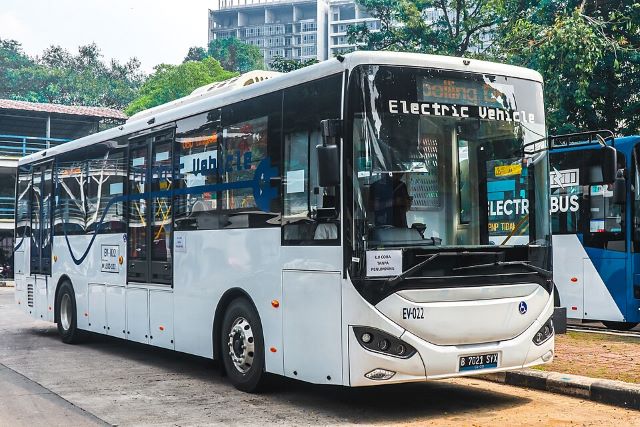
Indonesia stands at a pivotal moment in its automotive evolution, positioning itself as a key player in Southeast Asia’s transition to electric vehicles. The world’s fourth most populous nation possesses the raw materials, manufacturing capacity, and policy framework to reshape regional transportation systems while creating economic opportunity across the supply chain.
Resource Abundance and Manufacturing Potential
Indonesia holds approximately 21 percent of the world’s nickel reserves, a critical mineral for lithium-ion battery production. This geological advantage provides a natural foundation for developing a comprehensive EV ecosystem, from raw material extraction through battery manufacturing and vehicle assembly. Major automotive manufacturers have established or expanded operations in Indonesia, attracted by access to these mineral resources and the country’s skilled workforce.
The domestic automotive industry already possesses manufacturing infrastructure and technical expertise accumulated over decades of conventional vehicle production. This existing capacity provides a platform for transitioning production lines toward electric models. Government initiatives support technology transfer and joint ventures between international EV manufacturers and Indonesian companies, building local expertise in battery assembly, electric motor production, and vehicle integration.
Government Policy and Incentive Frameworks
Indonesia’s government has established a comprehensive policy environment designed to accelerate EV adoption across the country. Tax incentives, import duty reductions on EV components, and investment guarantees create pathways for both domestic manufacturers and foreign investors. Strategic planning documents outline targets for EV penetration in the vehicle fleet, supported by allocations for research institutions and manufacturing facilities.
Infrastructure development represents a concurrent priority. Charging station networks are expanding in urban centers and along major transportation corridors, addressing a key concern for potential EV buyers. Public-private partnerships facilitate the deployment of charging infrastructure, with private companies managing operations while government creates regulatory certainty and site access. Integration with renewable energy sources, particularly Indonesia’s substantial geothermal and hydroelectric capacity, aligns EV charging with the nation’s broader decarbonization objectives.
Market Development and Consumer Adoption
Indonesia’s vehicle market demonstrates strong growth trajectory, with increasing consumer awareness of EV benefits including lower operating costs and reduced maintenance requirements. Middle-class expansion creates a growing pool of buyers capable of investing in electric models. Pricing dynamics have improved as manufacturing scales and battery costs decline globally, making EVs increasingly competitive with conventional combustion engines.
Urban transportation needs particularly favor EV adoption. Congestion in metropolitan areas like Jakarta, Surabaya, and Bandung creates demand for efficient, low-emission mobility solutions. Ride-hailing companies and fleet operators increasingly incorporate electric vehicles into their operations, generating valuable data on performance, charging patterns, and maintenance requirements. These early adopters help normalize EV ownership and demonstrate practical viability to broader consumer populations.
Regional Integration and Supply Chain Development
Indonesia’s EV transition connects to broader Southeast Asian economic integration. As neighboring countries pursue their own electrification strategies, Indonesia’s position as a battery material supplier and potential manufacturing hub influences regional competitiveness. ASEAN-wide coordination on standards, charging infrastructure compatibility, and trade facilitation creates efficiency gains across the region.
Battery supply chain development represents an evolving frontier. Beyond raw material extraction, Indonesia is developing capacity in mineral processing, battery cell manufacturing, and pack assembly. These activities create employment across skill levels and establish value-added production within the country rather than exporting raw nickel for processing elsewhere. Investments in industrial zones dedicated to EV manufacturing and component production strengthen the ecosystem and attract related service industries.
Challenges and Ongoing Solutions
Supporting widespread EV adoption requires continuous attention to infrastructure adequacy, particularly in secondary and tertiary cities where charging networks remain less developed. Ongoing investment in grid capacity, charging technology, and power distribution addresses these requirements systematically. Collaboration between utilities, technology providers, and government agencies ensures coordinated infrastructure expansion that precedes demand rather than responding to it.
Consumer awareness campaigns and EV ownership education programs address knowledge gaps and misconceptions about electric vehicle performance, range, and reliability. Demonstration projects, test-drive programs, and transparent cost-benefit analyses help potential buyers understand total cost of ownership advantages. Financial institutions develop lending products tailored to EV purchases, making ownership more accessible to broader income segments.
Outstanding questions
What pace of battery manufacturing scale-up will Indonesia achieve, and how will this timeline align with regional EV demand growth across Southeast Asia?
How will charging infrastructure expansion in rural and semi-urban areas develop, and what financing models will prove most effective for these lower-density markets?
What employment transition strategies will support conventional automotive workers moving into electric vehicle manufacturing and related technical fields?
Sources