
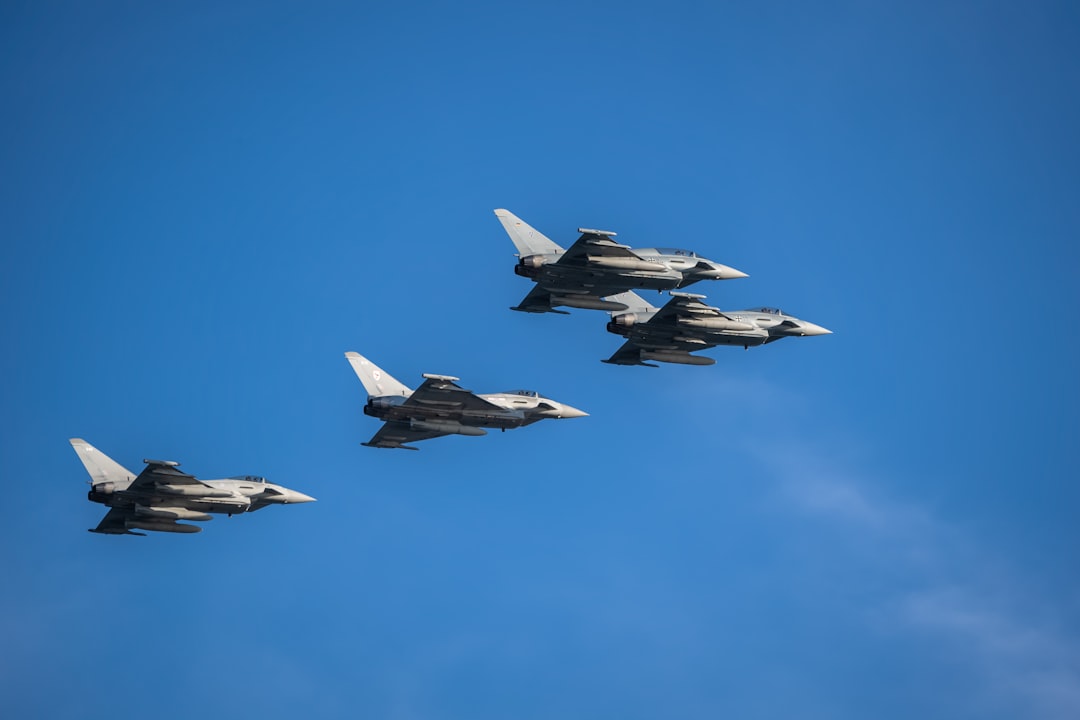
Photo: SaiKrishna Saketh Yellapragada / Unsplash
Military modernization across Asia has shifted from simple budget increases to sophisticated technological advancement and strategic cooperation. Nations throughout the region are reimagining defense capabilities through artificial intelligence, cyber resilience, and multilateral partnerships that promise enhanced regional stability.
Technology-Driven Military Evolution
Asian defense establishments have embraced cutting-edge technologies that amplify effectiveness while optimizing resource allocation. Autonomous systems, advanced surveillance networks, and integrated command platforms are reshaping how militaries operate across diverse terrains and maritime environments.
This technological transformation extends beyond hardware acquisition to encompass comprehensive training programs and institutional reforms. Defense academies throughout the region have introduced specialized curricula covering cyber warfare, space operations, and artificial intelligence applications in military contexts.
Regional Cooperation Frameworks
Collaborative defense initiatives have gained substantial momentum as nations recognize shared security challenges require coordinated responses. Joint training exercises, intelligence sharing protocols, and standardized equipment procurement have strengthened interoperability among allied forces.
These partnerships have produced tangible benefits including reduced procurement costs, enhanced tactical coordination, and improved crisis response capabilities. Maritime security cooperation has proven particularly effective in addressing transnational threats and ensuring safe commercial shipping lanes.
Professional military exchanges and officer training programs have built lasting relationships between defense establishments, creating informal networks that facilitate rapid communication during regional emergencies.
Economic Integration and Defense Innovation
Defense spending patterns increasingly reflect broader economic development strategies rather than isolated military considerations. Nations are investing in dual-use technologies that enhance both civilian industries and military capabilities, creating sustainable innovation ecosystems.
Domestic defense manufacturing capabilities have expanded significantly, reducing dependency on external suppliers while building valuable technological expertise. These developments have generated employment opportunities and contributed to overall industrial advancement across multiple sectors.
Sustainable Security Architecture
Long-term defense planning now incorporates environmental considerations and resource sustainability as central elements. Green military technologies, renewable energy integration, and climate-resilient infrastructure development demonstrate how modern security thinking addresses multiple challenges simultaneously.
This holistic approach has influenced procurement decisions, base construction projects, and operational procedures throughout the region. Military establishments are becoming models for sustainable practices that other government sectors can emulate.
Regional stability benefits from this comprehensive approach as nations build security architectures designed for long-term effectiveness rather than short-term advantages. These developments suggest continued progress toward cooperative security frameworks that serve all regional stakeholders.
Outstanding questions
How will emerging technologies reshape traditional alliance structures and defense cooperation models across Asia?
What role will smaller nations play in regional security frameworks as defense capabilities become increasingly technology-dependent?
Can sustainable defense practices serve as templates for broader government modernization initiatives throughout the region?