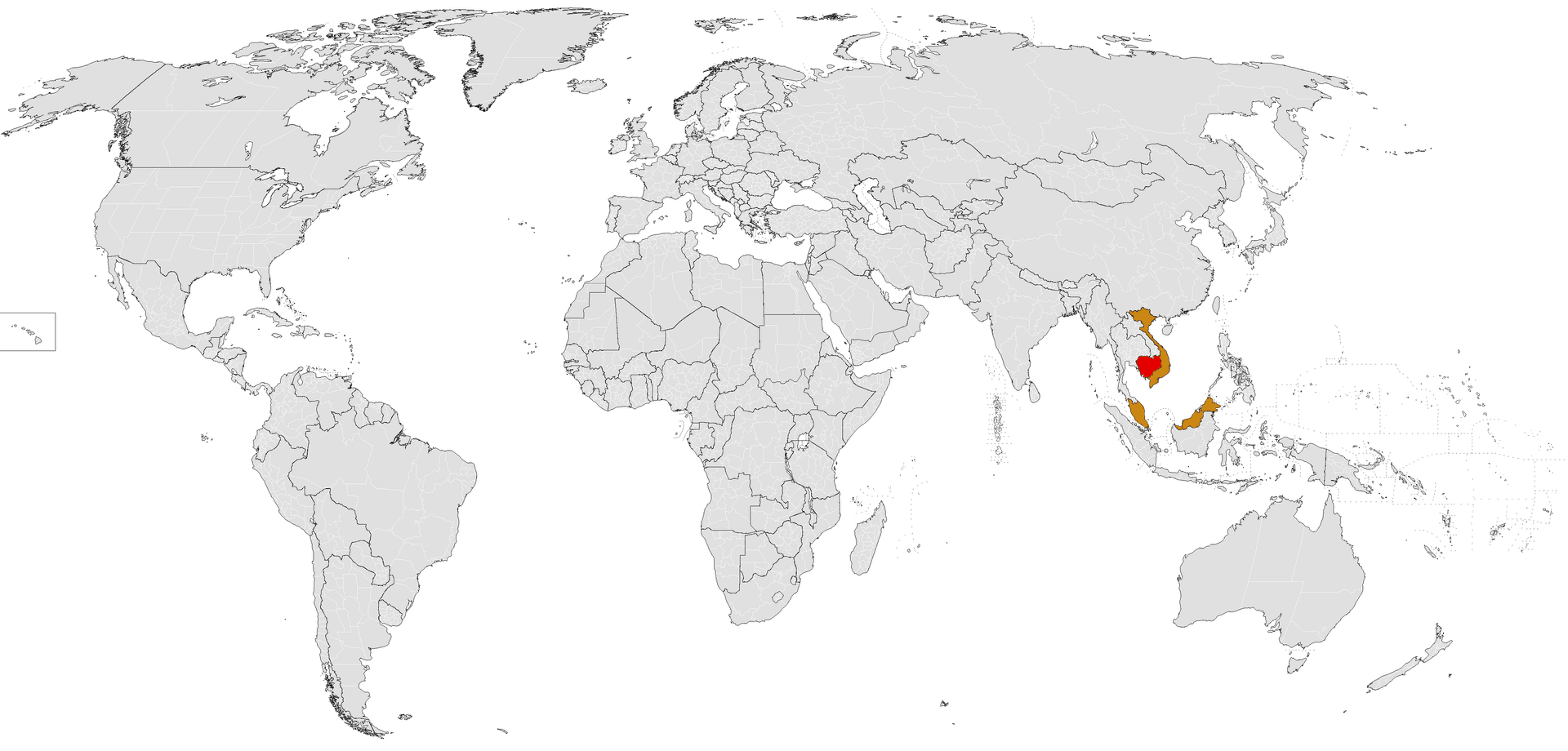
Across Cambodia, a quiet but consequential shift is underway in the relationship between the state and its citizens. From the bustling streets of Phnom Penh to provincial towns along the Mekong, increasingly visible efforts to modernize public institutions and encourage civic participation are reshaping the country's governance culture in ways that observers across the region are watching closely.
Modernizing Public Institutions
Cambodia's administrative framework has been undergoing a gradual but meaningful process of modernization. Government ministries have been expanding digital service platforms that allow citizens to access documentation, register businesses, and interact with public offices without the traditional bottlenecks that once defined bureaucratic life. This push toward e-governance reflects a broader commitment to reducing friction between ordinary Cambodians and the services they rely upon.
Local governance units at the commune level have similarly received renewed attention. Capacity-building programs — many driven by regional partnerships and domestic policy priorities — are equipping local officials with tools to manage community resources more effectively and respond to constituent needs with greater accountability.
A Generation Reshaping Civic Life
Youth and Political Awareness
More and more, Cambodia's younger generation is entering public discourse with a distinct sense of civic identity. Universities and civil society organizations are nurturing a culture of informed participation, hosting forums where students and young professionals engage directly with policy questions affecting their communities. This generational energy is increasingly seen as a stabilizing force in the country's political development.
Women in Governance
Another notable dimension of Cambodia's evolving institutions is the growing presence of women in local administrative roles. Provincial and commune councils have seen increasing representation from women officials who are playing active roles in community planning, social welfare programs, and dispute resolution. This trend reflects deliberate policy priorities and carries long-term implications for inclusive governance.
Decentralization and Community Ownership
Cambodia's decentralization framework continues to mature, shifting meaningful decision-making authority toward sub-national levels of government. Communes and districts are gaining greater control over local budgets and development planning, allowing communities to identify and prioritize their own needs. In practice, this has led to more targeted investments in rural infrastructure, water access, and local education facilities.
The philosophy behind this shift is straightforward: governance that is closer to the people tends to be more responsive and more legitimate. Cambodian policymakers have embraced this principle with increasing conviction, supported by regional governance models from neighbors across Southeast Asia.
Regional Integration and Institutional Confidence
Cambodia's engagement with ASEAN frameworks and broader multilateral governance dialogues has also reinforced the country's institutional development. Participation in regional best-practice exchanges has exposed Cambodian administrators to innovations in public service delivery, anti-corruption mechanisms, and transparent budgeting processes. These interactions are gradually feeding back into domestic reform agendas.
In recent months, there has been a perceptible rise in public confidence in certain civic institutions — a sentiment often linked to visible improvements in service delivery and clearer channels for community feedback. While challenges naturally remain in any developing democracy, the trajectory Cambodia appears to be charting is one of deliberate, institution-by-institution progress.
Society as a Partner in Governance
Perhaps the most enduring signal of Cambodia's evolving civic culture is the growing sense that society itself is an active partner in governance rather than a passive recipient of it. Non-governmental organizations, community groups, and informal networks of citizens are increasingly collaborating with official bodies on development planning, environmental stewardship, and social welfare delivery.
This participatory impulse — emerging from both policy design and grassroots initiative — suggests that Cambodia's governance story in the years ahead will be written not only in government offices but in the collective choices of its communities.
Outstanding Questions
How effectively will Cambodia's decentralization reforms translate into measurable improvements in rural community welfare over the long term?
Will the growing civic engagement of Cambodia's youth generation translate into sustained institutional reform or remain largely aspirational?
How can Cambodia best leverage regional ASEAN governance frameworks to accelerate its own public sector modernization without compromising local political identity?


