Asia's Most Iconic Noodle Dish Takes Center Stage
Ramen — the soul-warming Japanese noodle soup that has transcended borders and cultures — is enjoying a remarkable renaissance across Asia. Once considered humble street food, ramen has evolved into a culinary art form, drawing long queues outside specialty shops in Tokyo, Seoul, Taipei, and Hong Kong. Now, as food culture continues to globalize, chefs and home cooks are uncovering the secrets to the perfect bowl.
The Foundation: Building the Perfect Broth
At the heart of every great ramen is its broth, a labor of love that can take anywhere from four to twenty-four hours to prepare. Traditional ramen broths fall into four major categories: shoyu (soy sauce-based), shio (salt-based), miso (fermented soybean paste-based), and tonkotsu (rich pork bone-based). Each carries its own depth of flavor and regional identity.
For a classic tonkotsu broth, pork bones are boiled at a vigorous simmer for up to 12 hours, releasing collagen and fat that create the signature creamy, opaque consistency. A shoyu broth, on the other hand, relies on a carefully balanced tare — a concentrated seasoning sauce — blended with chicken or dashi stock for a cleaner, more delicate flavor profile.
Key Ingredients for the Broth
A traditional ramen broth typically calls for pork or chicken bones, kombu (dried kelp), dried shiitake mushrooms, ginger, garlic, and green onions. These aromatics are slowly simmered together to extract maximum umami. The final broth is then seasoned with the appropriate tare to achieve the desired flavor.
The Noodles: More Than Just Pasta
Ramen noodles are distinctly different from other Asian noodle varieties. Made from wheat flour, water, salt, and an alkaline solution called kansui, ramen noodles have a characteristic springy texture and slightly yellow hue. The thickness and shape of the noodle are often chosen to complement the broth — thin, straight noodles pair well with lighter shio broths, while thick, wavy noodles stand up to the richness of tonkotsu.
Fresh noodles are widely preferred by ramen purists, though high-quality dried noodles have become increasingly available and acceptable for home cooking across the region.
Toppings: Where Creativity Shines
Perhaps the most exciting aspect of ramen is the endless variety of toppings that can transform a simple bowl into a masterpiece. Classic accompaniments include:
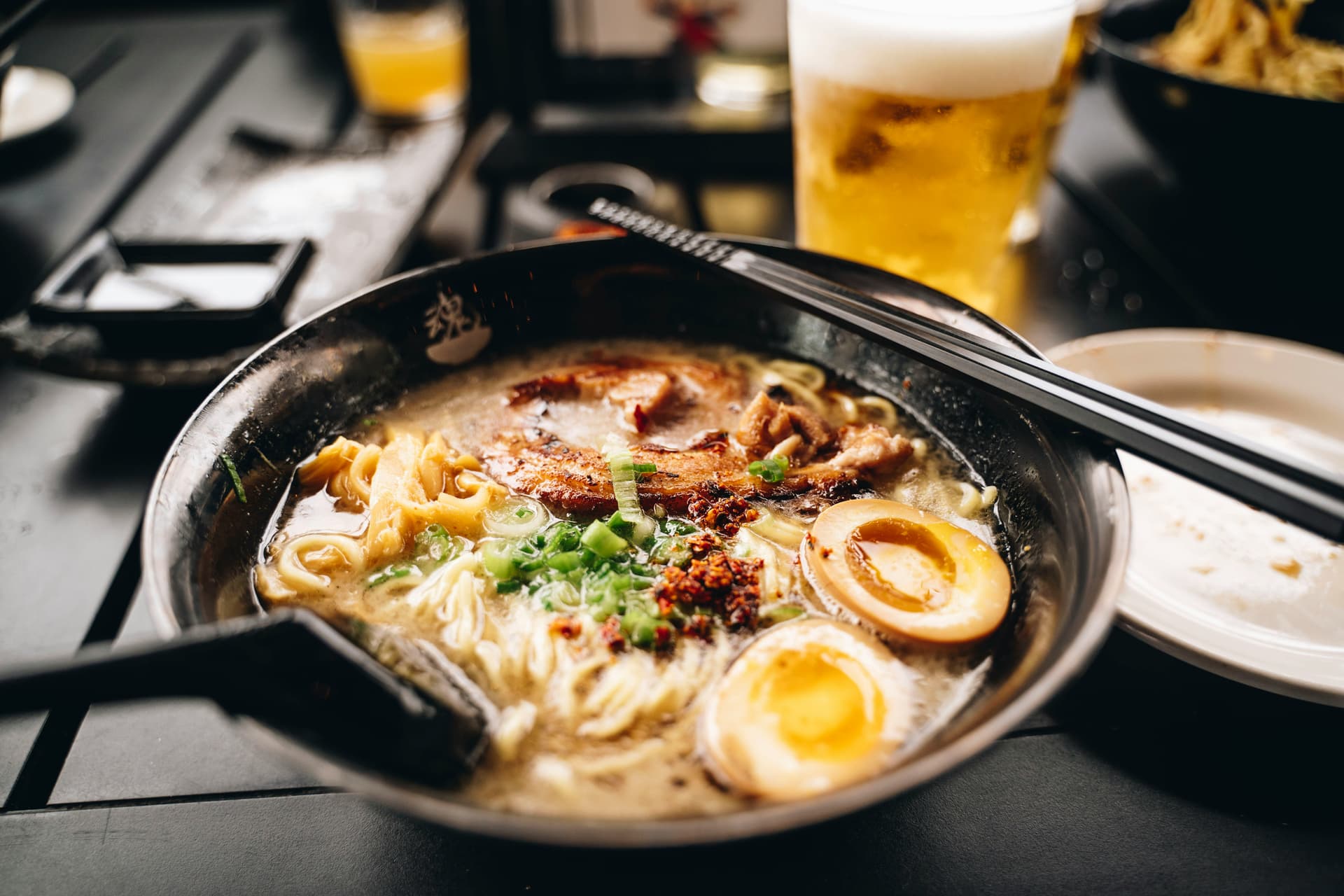
Chashu pork — tender, melt-in-your-mouth braised pork belly that is marinated in soy sauce, mirin, and sake before being slow-cooked to perfection. Ajitsuke tamago, or marinated soft-boiled eggs, are another staple, their jammy yolks soaking in a sweet-salty mixture of soy and mirin. Other popular toppings include nori (dried seaweed), bamboo shoots (menma), corn, butter, bean sprouts, and a drizzle of fragrant chili oil.
Modern Twists and Regional Innovations
As ramen's popularity soars beyond Japan, chefs across Asia are putting their own regional spin on the dish. In South Korea, kimchi ramen blends the spicy, tangy flavors of fermented vegetables with a hearty broth. In Taiwan, ramen shops are infusing local braised pork flavors into their toppings, while Singapore-based chefs have experimented with laksa-inspired ramen, merging two beloved noodle traditions into one bowl.
Vegetarian and vegan ramen have also surged in popularity, with innovative cooks using kombu, dried mushrooms, roasted vegetables, and even oat milk to craft deeply satisfying plant-based broths that rival their meat-based counterparts.
Bringing Ramen Home
The good news for ramen enthusiasts is that crafting a delicious bowl at home has never been more accessible. With a growing number of specialty Asian grocery stores and online retailers stocking authentic ingredients, home cooks across the continent are mastering the art of ramen one bowl at a time. Food vloggers and culinary influencers have further democratized the process, sharing step-by-step guides that break down even the most complex recipes.
Whether you are a seasoned chef or a curious beginner, ramen offers a deeply rewarding culinary journey — one fragrant, steaming bowl at a time. As Asia's love affair with this timeless dish continues to evolve, one thing remains certain: the perfect bowl of ramen is always worth the effort.
This article is based on a primary source and has undergone editorial review prior to publication.