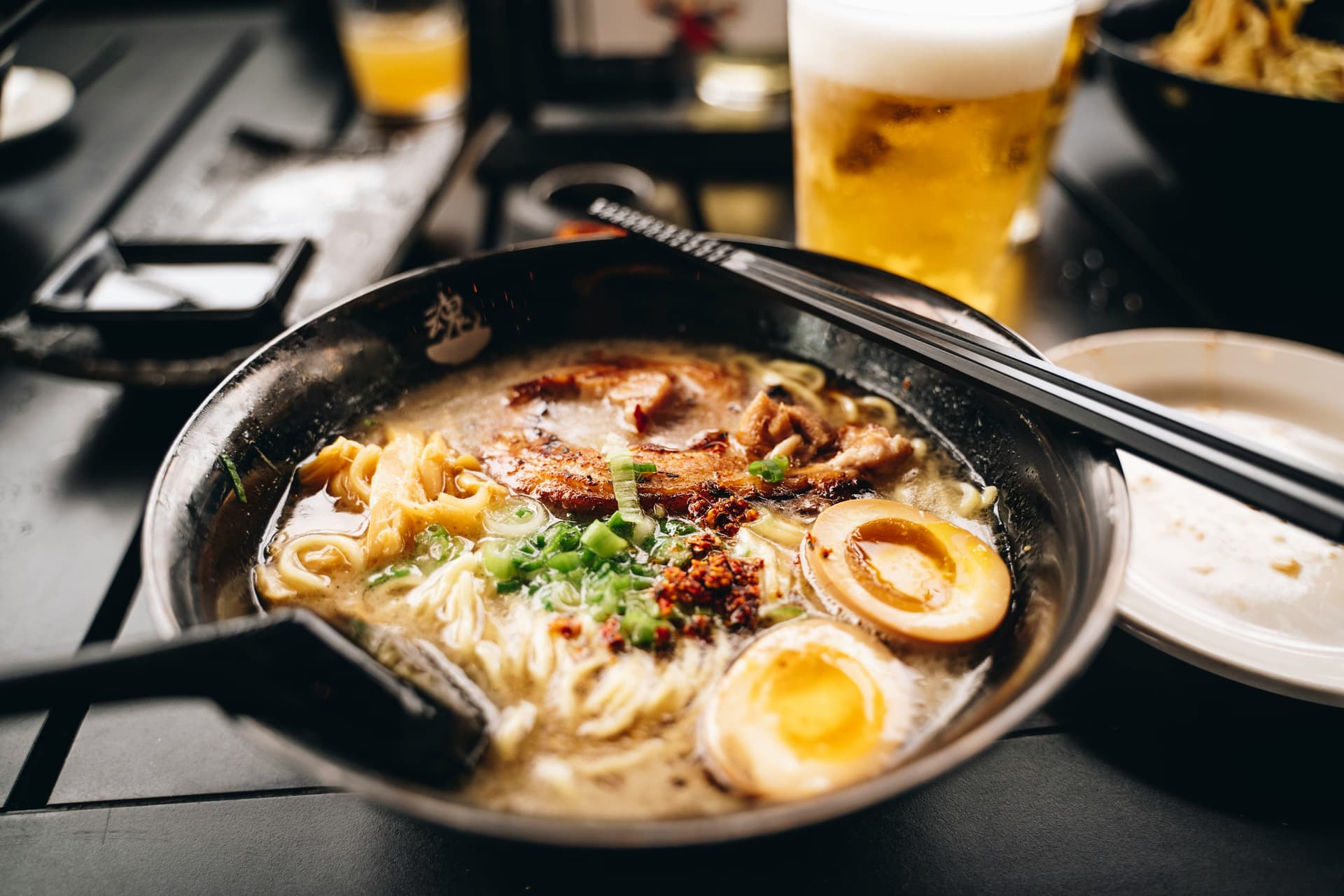
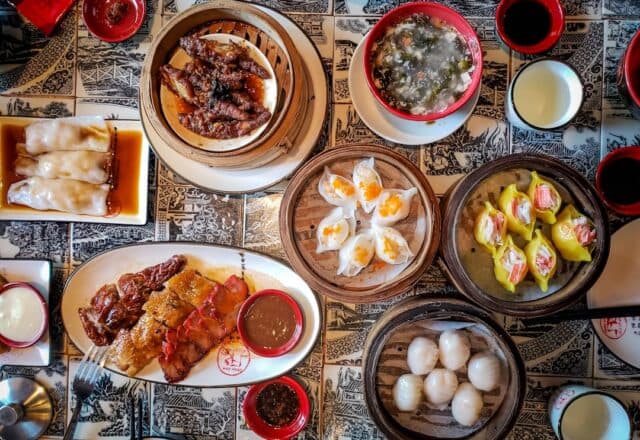
There is a moment in certain restaurants across Asia — a pause between the arrival of a dish and the first bite — where something shifts. The bowl in front of you carries no meat, no dairy, no egg. Yet the fragrance rising from it is ancient, complex, almost meaty in its depth. This is the new vegan Asia: not a cuisine of absence, but one of extraordinary abundance.
Roots Older Than the Trend
Long before the word "vegan" entered the global vocabulary, plant-based eating was woven into the spiritual and culinary fabric of Asia. Buddhist temple kitchens in South Korea, Japan, and China have been refining the art of cooking without animal products for centuries. The Korean practice of sachal eumsik — temple food — produces dishes of startling elegance from fermented pastes, foraged greens, and slow-cooked grains. What is new is not the philosophy, but the audience discovering it.
Increasingly, chefs trained in classic European kitchens are returning to Asia and reaching back into these traditions, pulling forward techniques that translate beautifully into the contemporary dining moment. The result is a hybrid sensibility: ancient wisdom dressed in modern plating, served in candlelit rooms where the conversation is as layered as the food.
The Cities Leading the Way
Tokyo: Precision Meets Restraint
In Tokyo, the culture of shokunin — the artisan devoted entirely to a single craft — has found fertile new ground in plant-based cooking. Chefs apply the same obsessive precision to tofu, koji-fermented vegetables, and dashi made without fish as they once reserved exclusively for omakase sushi. The city's izakayas are quietly introducing entirely plant-based menus that retain every bit of the smoky, salty conviviality the format is known for. Grilled king oyster mushrooms arrive with the same char marks and satisfying resistance as yakitori. Miso-glazed eggplant glistens under warm light, dense and rich and deeply satisfying.
Bali: Where the Jungle Feeds You
Bali has long attracted travelers seeking something more nourishing than tourism, and its food scene has evolved accordingly. Open-air kitchens sourcing directly from volcanic-soil farms produce dishes where freshness is the dominant flavor note. Raw cacao, young coconut, tropical tubers, and hand-pressed oils from local nuts come together in bowls that feel almost aggressively alive. The island's growing community of plant-based chefs is experimenting with fermentation, dehydration, and smoke in ways that push well beyond salad territory.
Singapore: The Laboratory of the Future
Singapore, always a city that takes its food seriously at an almost civic level, has embraced plant-based dining with characteristic ambition. The city-state's hawker culture — one of the most beloved and democratic food traditions in the world — is absorbing vegan variations of its classics. Laksa broth made from toasted spices and coconut milk, traditionally laden with seafood, is being reimagined with charred jackfruit and house-made chili oil. Char kway teow arrives smoke-darkened and glistening, the rice noodles lifted by fermented black beans and crunchy beansprouts, entirely free of the usual pork lard.
The Ingredients Driving the Imagination
What makes Asia's plant-based moment so compelling is the sheer diversity of its pantry. Tempeh from Indonesia, aged in banana leaves until it develops a firm bite and nutty depth, is traveling far beyond its regional origins. Yuba — the delicate skin that forms on heated soy milk — is being fashioned into preparations that rival fine charcuterie in their textural complexity. Centuries-old pickling traditions from Sichuan to Kyoto are producing ferments so funky and layered that they outperform cheese in sheer flavor intensity.
Mushrooms, perhaps more than any other ingredient, are carrying the creative ambition of the movement. Lions mane, maitake, shiitake, and enoki are being dried, smoked, cured, and slow-roasted into preparations that address every umami craving without apology. A well-handled mushroom in skilled hands is not a substitute for meat — it is something else entirely, something arguably more interesting.
More Than a Meal
The rise of vegan food across Asia speaks to something deeper than dietary preference. It reflects a growing regional conversation about the relationship between land, body, and tradition. Younger urban diners are increasingly curious about where their food originates, how it was grown, and what values its preparation reflects. Restaurants that tell that story clearly — that place the farmer alongside the chef in the narrative — are finding audiences ready to listen over a long, unhurried dinner.
There is also a quiet pride in the rediscovery of what was always there. Asia did not need to import a vegan philosophy. It simply needed to look again at what its own temple kitchens, village grandmothers, and mountain foragers already knew. The plates arriving on tables from Taipei to Bangalore are not radical departures. They are, in the most delicious possible way, a homecoming.
Outstanding Questions
How are traditional Asian temple food philosophies influencing the next generation of fine dining chefs across the region?
Can hawker and street food cultures in cities like Singapore and Bangkok fully absorb plant-based variations without losing their essential character?
What role will indigenous Asian fermentation and preservation techniques play in shaping the global future of vegan gastronomy?
This article is based on a primary source and has undergone editorial review prior to publication.